Showing posts with label diet. Show all posts

Monday, August 1, 2011

Fat burners and Diet Products

I recommend these Diet products instead of regular Fat Burner tablets.

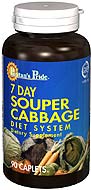
You've heard of the latest diet phenomenon, the Cabbage Soup Diet. Now Puritan's Pride is offering the Seven Day Souper Cabbage Diet, a supplement that combines many of the basic ingredients found in this diet. 7 DAY SOUPER CABBAGE DIET SYSTEM Caplets contain naturally-occurring flavonoids, lycopene, carotenoids, polyacetylenes, sulforaphanes and indole 3 carbinol to boost the phytochemical content of the diet.

Also included is a diet plan PLUS exercise program to help you get on the fast track to help you achieve your weight loss goals


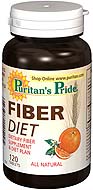
Fiber Diet tablets are a special combination of grain and fruit fiber. To add healthful fiber to your diet take Fiber Diet tablets 15-30 minutes before you eat. Each tablet is free of sugar, starch, preservatives and artificial colors. There is no caffeine or sodium (salt).

This special fiber supplement comes with helpful tips on how you can make a reduced calorie diet a more enjoyable experience.


Important note: If you're on diet you need to take other supplements like Vitamin-C, B-Complex, Calcium-Magnesium, and Spirulina algae. I take all these supplements daily.

A Diet for Healthier Humans: SACN Iron and Health Report | SACN

A Diet for Healthier Humans: SACN Iron and Health Report | SACN:

The widely leaked report is finally published. No more than the equivalent of one lamb chop or a bacon butty or a big mac each day if you want any chance of staying healthy.

Yvonne Bishop-Weston Nutritionist London says
"The government seems to be suggesting we should be Plantarian for at least 2 meals a day. Research confirms benefits to health really start to kick in at least 8 portions of fruit and veg a day.

There is still no safe limit for meat consumption set. This advice is just setting maximum advisory levels the inference is that less is best.

I find it quite ironic that this is advice on iron levels yet in clinic it's frequently meat eaters I find with inadequate iron levels not vegetarians"

The evidence seems to be mounting against meat as a useful part of a nutritious diet in modern society.

Saturday, July 30, 2011

British Heart Foundation Phoney Diet

The British Heart Foundation have lashed out at a diet claiming to be a BHF diet. Some might say a bit rich considering the fairly non-committal dietary advice usually dished out by BHF , but this fake BHF diet is particularly bad and includes items that even the UK govt warns against eating.

BHF senior heart health dietitian, Victoria Taylor, said:
“Apart from being wholly unappetising with the likes of two frankfurters with a cup of cabbage and half a cup of carrots for a meal, this ( bogus BHF ) diet is so restrictive in terms of the range and quantity of food that it lacks a number of nutrients we need to stay healthy.
“The lack of fibre means followers could develop constipation while long-term use could also leave you deficient in calcium and iron, which can result in fragile bones and teeth and feeling constantly tired and lethargic if left unchecked.
“Most people are likely to lose largely water and some muscle, rather than the fat they really want to shed on this kind of crash diet. Over time, the muscle loss can be bad news as it means that the rate your body burns calories, whether active or resting, can actually slow down – the last thing dieters want.
Yvonne Bishop-Weston Leading UK Nutritionist and Health Consultant claims the trouble is most dieters suddenly reach a crisis point and want quick fix solutions and don't dare think about the consequences.
Yvonne says;
"Most diet products are trying to tie you in for ever in a catch 22 situation of carry on or gain weight again.
"Vary rarely is there any scientific basis for these diets, or if there is it is short term and completely forgetting that it defies the individual body's inbuilt natural instincts and can often increase risks of chronic diseases"
"Low Fat products are often full of cheap sugar or artificial sweeteners, Low Carb products are often full of cheap fat and devoid of natural soluble fibre, vitamins, minerals, antioxidants."
The Dukan diet tries to skip round the failings of The Atkins diet with spoonfuls of oatbran (hmm.. Yum Yum) but still fails to reach the eight a day portions of fruit and vegetables shown in a recent major study by Oxford University that you need to dramatically reduce the fatal risks of heart disease."
It seems the best way of achieving a long term solution for a weight loss diet that is sustainable, practical and healthy is to visit a qualified, experienced, competent nutritionist who can work out exactly what your body needs to be optimally fit and healthy and how to fit that into your normal busy working schedule.
The harsh truth there is no simple, easy, yet to be discovered, quick fix solution to years of nutritional abuse of your body, if it sounds too good to be true, that's because it is. Your body needs real food, complete food, natural food, not the latest patented gimmicks. You also need to exercise to build muscle and yes that requires protein but not the sort of protein that is processed and comes free with spoonfuls of saturated animal fat and dietary cholesterol. Most importantly you need to deal with stress and the effects of stress on your hormones and immune system a positive outlook and motivation is the first hurdle to sustained weight-loss" warns Yvonne
To book an appointment with top UK nutritionists visit Nutritionist London, Nutritionist Hampshire

Mega-T Green Tea Diet

They say that an apple a day keeps the doctor away. Well, we say a Mega-T Green Tea Diet caplet a day keeps the doctor away…indefinitely!

Mega-T Green Tea Diet is the newest weight loss product to hit the market. A unique blend of green tea and other ingredients, Mega-T Green Tea Diet is the one product that can promote mega weight loss.

Mega-T Green Tea Diet includes a high amount of green tea extract that helps suppress your appetite and at the same time, increase your metabolic rates. Green tea in Mega-T Green Tea Diet contains substances that affect how the hormone noradrenaline acts.

The key to controlling the appetite is by controlling the release of this hormone first. And with Mega-T Green Tea Diet, that shouldn’t be a hard task. Mega-T Green Tea Diet is a natural when it comes to suppressing the appetite.

Aside from being an appetite-suppressant, the green tea in Mega-T Green Tea Diet also helps promote thermogenesis in the body. Thermogenesis is the process wherein calories are converted into heat energy for the body to use. Mega-T Green Tea Diet contains polyphenols which are antioxidants that interact with each other to stimulate thermogenesis. In this regard, Mega-T Green Tea Diet helps increase your body’s metabolic rates and helps you burn fats faster. More fats burned means more weight lost!

Green tea in Mega-T Green Tea Diet also has other benefits aside from weight loss. Studies have shown that green tea in Mega-T Green Tea Diet can cure cancer, arthritis, ulcers, and other diseases. The antioxidants in Mega-T Green Tea Diet also help reduce the cholesterol levels of the body, thereby maintaining the delicate balance between LDL and HDL cholesterols. In this regard, Mega-T Green Tea Diet also helps reduce the risk of strokes and heart attacks among its users.

Mega-T Green Tea Diet also contains chromium. Chromium in Mega-T Green Tea Diet helps prevent fat storage. This ingredient of Mega-T Green Tea Diet also increases your metabolic rates by increasing the rate at which fat is burned. Therefore, with Mega-T Green Tea Diet, you are in for some mega fat-burning!

Another ingredient of Mega-T Green Tea Diet is Garcinia Cambogia. This herb found Mega-T Green Tea Diet can help you overcome food cravings and hunger pangs. Garcinia Cambogia in Mega-T Green Tea Diet, like green tea, acts as a natural appetite-suppressant. In this way, Mega-T Green Tea Diet gives you the perfect method to avoid going overboard with your eating program. Remember, the lesser calories you take, the lesser calories you store!

Mega-T Green Tea Diet contains a small amount of caffeine to provide you with enough energy to get you through the day. But if that isn’t enough, especially if you’re working out, Mega-T Green Tea Diet also contains Guarana and Siberina Ginseng. These two herbs in Mega-T Green Tea Diet are known energy-boosters. So if you want energy for your workout regimens, then Mega-T Green Tea Diet is right for you! Mega-T Green Tea Diet will provide you with all the energy that you need in order to achieve a healthier, slimmer you!

Mega-T Green Tea Diet

What’s the trick to a healthy, slender body? Think Mega-T Green Tea Diet.

Mega-T Green Tea Diet is made from 100% pure green tea extract. The green tea in Mega-T Green Tea Diet is rich with natural antioxidants that help increase your metabolic rates. These antioxidants found in Mega-T Green Tea Diet increase metabolism by promoting thermogenesis, the process by which the body converts fat into heat energy. So with Mega-T Green Tea Diet, you’re in for some major fat-burning!

Mega-T Green Tea Diet is also a great appetite-suppressant. Mega-T Green Tea Diet contains substances that affect the appetite hormone called noradrenaline. This hormone is responsible for triggering the body to feel hunger or food cravings. By suppressing the release of this hormone, Mega-T Green Tea Diet helps you control your appetite. Mega-T Green Tea Diet also aids you in overcoming your hunger pangs!

And to further seal the metabolic increase in your body, Mega-T Green Tea Diet also contains the substance Chromium. This substance in Mega-T Green Tea Diet is also a potent catalyst for speeding up your metabolism. Trust Mega-T Green Tea Diet to help you lose fats in a snap!

Garcinia Cambogia is another awesome ingredient you can find in Mega-T Green Tea Diet. Because of the presence of this herbal extract, Mega-T Green Tea Diet increases your ability to control your appetite. There’s less tendency for you to experience hunger pangs when you take Mega-T Green Tea Diet. Because Mega-T Green Tea Diet has the ability to “tell” your stomach that it’s full already, you no longer need to worry about overindulgence. Overeating and binging will be a thing of the past with Mega-T Green Tea Diet!

Think about it! With Mega-T Green Tea Diet, there’s even no need for you to go to the gym anymore! You can start shedding your fats by only taking two Mega-T Green Tea Diet capsules a day!

But if you’re the type who really likes to workout, then don’t think that Mega-T Green Tea Diet will stop you from doing that. Mega-T Green Tea Diet can optimize your workout results! Because Mega-T Green Tea Diet contains substances that are known energy-boosters, you won’t feel tired when you start your workout regimens!

Mega-T Green Tea Diet contains Guarana extract, an herb used by African natives to increase their vigor and energy levels during battle. Guarana in Mega-T Green Tea Diet will provide you with the energy that you need to perform your weight loss routines.

And if that isn’t enough, Mega-T Green Tea Diet also contains Siberian Ginseng. This root plant in Mega-T Green Tea Diet has benefits that equal even that of the acclaimed green tea (also found in Mega-T Green Tea Diet). Because of the high amount of Siberian Ginseng, Mega-T Green Tea Diet can give you the power you need to get your through your day with no problems at all. Mega-T Green Tea Diet will improve your strength and stamina! So keep up your energy and keep that healthy, slim body you were born to have with Mega-T Green Tea Diet!

Mega-T Green Tea Diet contains 300 mg caplets that are to be taken every after mid-morning and mid-afternoon meal with a full glass of water. You can achieve maximum results when using Mega-T Green Tea Diet in combination with the Special Diet Plan enclosed in the box.

Experts vote Vegan Diet Best for Diabetes

Complete Book of Vegan Cooking
A panel of 22 health experts including Doctors, registered nutritionists and specialists in diabetes, heart health, human behavior, and weight loss, reviewed detailed assessments prepared by U.S. News of 20 diets. The experts rated each diet in seven categories, including short- and long-term weight loss, ease of compliance, safety, and nutrition.

A vegan diet was voted as joint second in US News Rankings Best Diets section for Diabetes.

Presumably it fell short of first place due to compliance, despite the science, people are hooked on meat and addictive fatty cheese and are yet to discover the delicious alternatives.

Vegan Cookbook - Vegan Diets

Anger vs diet in Japan

Apologies for not getting to reply to emails and to the comments from the last post, several will take some time and there are a few one liner posts to throw out in the mean time. This is one.


I've been following the events at Fukushima with some interest, particularly as we live about 15 miles from Sizewell B, the UK's only commercial pressurised water reactor. One of those I've browsed is this one from the NY Times on the subject of the effect of the disaster on the populace of Fukushima city, where anger at the government's handling of the situation is becoming quite extreme.

"A huge outcry is erupting in Fukushima over what parents say is a blatant government failure to protect their children from dangerous levels of radiation. The issue has prompted unusually direct confrontations in this conflict-averse society, and has quickly become a focal point for anger over Japan’s handling of the accident at the nearby Fukushima Daiichi nuclear power plant, ravaged in the March 11 earthquake and tsunami."

Conflict-averse society is an interesting phrase, certainly to me, as I have just started to re-read Malcolm Carruther's book "The Western Way of Death". I read it as a 20ish year old bloke and stopped fitting half-race cam shafts to the engines of assorted Morris Minors and switched to a Volvo when I got the chance. The current MX5 I drive was not my idea and I still try to follow the advice to use a driver's seat as a mobile arm chair.

Carruthers is highly entertaining in his approach to the cholesterol hypothesis of CVD (it's bollocks, I paraphrase loosely). He focuses on the emotional and catecholamine triggers for heart disease, far more in keeping with a hyperlipid point of view. Adrenaline releases glucose and FFAs at the same time, a bad mix if you are sedentary, okay if you are legging it up a tree when you accidentally almost walk in to a white rhino in the Hluhluwe-Imfolozi game reserve. A foot safari is great...

To get back to the concept that Japan is a "conflict-averse society" and Carruthers' hypothesis that aggression, greed and ambition are major drivers of CVD. You have to decide whether the appalling rice based diet of the Japanese is responsible for their apparently low rate of CVD or whether is it their reluctance to indulge in conflict within a highly structured society which provides the CVD protection. A conflict-averse society...

This links straight back to Marmot's paper, based on his PhD thesis, where Japanese emigrants who maintained a Japanese lifestyle but who adopted the SAD of the 1950s were markedly protected against heart disease. Especially compared to those who behaved as Americans but still ate the traditional Japanese diet. Here is the figure which matters


A detailed explanation is here.

This brings to mind the potential for marked injury to the residents of Fukushima, to the point where the injury from anger might outweigh any potential benefits from the hormetic effect of a modest increase in exposure to ionising radiation.

Anger is bad for you.

Fukushima is an angry city. This is far more worrying than the increase in ionising radiation exposure.

Peter

Surwit and sucrose or when is a high sucrose diet a high fat diet?

Last one liner post and I'll try and get to older comments as soon as I can:

The name Surwit is familiar. I have this niggling feeling that I've come across it before. There's no inclusion of the name on the blog except as the name for an obesogenic mouse diet based on sucrose. I have this feeling it was someone pointing out that a high sucrose diet was perfectly acceptable if you kept PUFA low. Can't find it. Don Matesz brought the paper to light recently by discussing it over at Primal Wisdom. It's a core paper on why you should be cautious about simply accepting conclusions from papers without thinking them through.

I just wanted to pour a little arithmetic on Surwit's paper from 1997.

The 1100kcal diet was 70% carbohydrate, ie 770kcal/d or approx 180g/d.

Protein was held at about 50g/d and fat was held at around 10g/d

Let's look at calories-in and calories-out.

With a weight loss of 7kg in 6 weeks these people were augmenting their diet calories-in by adding an additional 167g/ day of fat from their own adipose tissue (assuming weight loss is fat loss, not quite true). This gives an average "calories-in" of 1100kcal from diet plus about 1670kcal/d from adipose tissue, ie a total of 2670kcal per day going in to metabolism.

Calories-in of 10g fat from the diet plus 167g/d of fat from adipose tissue, with a total of 2670kcal per day used, gives us a metabolic input comprised of 66% from FAT.

120g/d of sucrose is about 540kcal/d which actually makes this only about 20% of the "calories-in" to metabolism, with fructose at about 10% of calories.

The study subjects are obese which, trans fats apart, suggests that they are probably eating a great deal more sucrose per day during their habitual diet than 120g (and failing to deal with it effectively). So, in comparison to their pre study diet, this is probably a LOW SUCROSE diet. A Big Gulp is about 800kcal per serving of HFCS... At 180g/d the study diet is also a LOW CARBOHYDRATE diet compared to their pre study intake. You do not "accidentally" maintain a bodyweight up near 200% of ideal unless you have a carbohydrate intake waaaaay in excess of 180g/d. Just flick through the introduction to Grey and Kipnis yet again. Obese people eat more calories and especially more carbohydrate calories than normal weight people.

Now, let's stop weight loss occurring and think about health on a 34% sucrose diet. Let's up the calories-in from 1100kcal/d to 2670kcal/d to (possibly) maintain a stable weight (it won't happen, weight will rise secondary to increase insulin levels associated with a fall in spontaneous activity) but this time let's source all of those calories from the diet. With 34% of calories as sucrose that will be just under 300g/d of sucrose. That gives an annual intake of just over 100kg, about a tonne in 10 years. HDL is already down from 1.35mmol/l to 1.06mmol/l (if you think it matters) and if you think trigs will stay at just over 1.00mmol/l on a third of a kilo of sucrose a day you are incorrect. Will the drop in blood pressure be maintained? Hahahahahahaha. Do you want to try this?

************************************************************
BLACK BOX HEALTH WARNING: The next line is sarcasm.
************************************************************

I'm sure it would be fine, just ask Surwit.

You can't lose weight for ever. Weight loss is fat metabolism. When weight stabilises how do you maintain the benefits of fat metabolism? Hint: Don't replace it with sucrose.

Peter

Diet may ’reverse kidney failure’ in diabetics


Researchers at the Mount Sinai School of Medicine in New York found a "ketogenic diet" could reverse the damage caused to tubes in the kidneys by too much sugar in the blood. 
For their study, the researchers used laboratory mice with both type 1 and type 2 diabetes.  Once kidney damage had developed, half the mice were put onto the ketogenic diet, which is 87 percent fat and mimics the effect of starvation. 
After eight weeks, the researchers noted that kidney damage was reversed in those rodents which were on the highly controlled diet, the leading news channel reported.


http://www.onlinenews.com.pk/details.php?id=178316

When is a high carbohydrate diet not a high carbohydrate diet? Ask a vegan?

There is a study, headed by Barnard (of PCRM infamy), purported to show the benefits of a low fat vegan diet for the management of type two diabetes in humans. This is, obviously, counter intuitive. So let's have a look.

The first thing to say is that it's extremely difficult to extract any hard data from the study. Many of the results are expressed as derived from "intention to treat" analysis. To appreciate quite how difficult this makes any sort of deconstruction, you have to read Dr Eades on this subject. Much of the HbA1c data are presented as the value before any medication change occurred. A change could be up or down (both occurred) and could have occurred after one week or after 73 weeks on the diet. The HbA1c value from just before the change in medication gets carried forward throughout the rest of the graph of HbA1c that features in the discussion, see later.

But let's take the study at face value. I'll begin with the top section of Table 2.


Now you may be forgiven for skipping down to the carbohydrate intake line where the massive increase from 47.7% to 66.3% is noted. This would be a mistake. First line to note is the SPONTANEOUS drop in caloric intake noted in the vegan group. 1798kcal/d to 1366kcal/d. This compares with the ENFORCED caloric restriction on the ADA diet, which did not alter the macronutrient ratio in any way from the pre study diet. This is where Stephan found the study interesting. I have a couple of concerns about the explanation of the vegan diet providing limited reward which I would need to see addressed before going along these lines:

No one sells a diabeso-genic diet for rats based on starch. There are two main techniques for making rats fat and glucose intolerant. The first is sucrose, the second is Crisco. You can also do it with lard, but that's a rat oddity and I doubt it applies to humans, as far as I can see.

The vegans reduced their caloric intake percentage of trans fats from 2.3% of calories to 1.1% of calories. The ADA dieters didn't. p < 0.0001.

If you want to look at either total fructose or HFCS or table sugar intake comparison between the two groups I'm afraid you will have to ask Barnard for this information, it's not in the paper. But I think it's safe to assume the vegan diet included the advice to consume minimal sucrose/HFCS and the ADA, with it's role in promoting diabetes to maintain medication sales, had some. Possibly quite a lot. Who knows? Well of course, as I said, Barnard knows; but he's not saying. Let's just assume p < 0.0001 again.

I would want these two factors to be controlled for before I would become interested in looking at food reward effects of the relative diets, important though this might be.

You may have noticed that the concept of components described as "a percentage of calories" has already sneaked in.

So next we have to look at that % of calories from carbohydrate expressed as a number of grams per day of carbohydrate, especially on that vegan "high carbohydrate" intervention.

Pre study the vegans were eating 47.7% of 1798kcal as carbohydrate, ie 858kcal or 191g/d. By week 74 of the study they were eating 906kcal/d or 201g/d of carbohydrate (66.3% of 1366kcal).

So the total carbohydrate intake increased by 10g/d. Did you notice that on initial browsing of Table 2? Tee hee.

Two other factors have to go in. Fibre, included in total carbohydrate, increased from 10.8g/d to 21.7g. Most of this was insoluble fibre, ie it literally became vegan cr*p. You know, wipe, flush... Let's see, 201g-11g=190g! Wow!!! I couldn't have asked for the arithmetic to work out that neatly, just a happy coincidence. Made me laugh anyway.

So, is this a high carbohyrdate diet, compared to the SAD? No. NO.

Weight loss. For the later months of the study subjects were weight stable. During this phase the vegans and ADA dieters deteriorate at remarkably similar rates. During the initial few months, when both groups demonstrated a very small improvement in HbA1c, there will have been marked weight loss. We don't know what the calorie intake was during this phase. If it was less than 1366kcal per day with a similar % of calories from carbohydrate this might actually have been a carbohydrate restricted diet!

If we briefly scan the HbA1c graph


it is pretty obvious that the ADA dieters stopped losing weight at 11 weeks and the vegans stopped losing weight at 22wks. End of weight loss is the time at which you would expect HbA1c to stop dropping and metabolic deterioration to set in for both arms of the study. Please note that we have no idea how many patients at a given time point are providing true HbA1c values or how many data points include "carried forward" values before a medication "change". Over 74 weeks 17 vegans actually reduced their meds by an unspecified amount and 10 increased them, again by an unspecified amount. So 17 out of 49 subjects provided "hypothetical" HbA1c values for some unspecified amount of the study period. Go figure. Must have been written by a low fat vegan!

I would be willing to bet that the 17 vegans reducing their meds were all "carried forward" from the first 22 weeks and the 10 increasing their meds were in the >22 week period... You don't generally increase meds in type 2 diabetics during weight loss.

You can't lose weight for ever.

Once weight loss stops and human adipose tissue consumption ceases we are back to starch for diabetics and progressive HbA1c deterioration.

What would you expect?

It is quite clear that healthy humans can consume a very wide range of macro nutrient ratios. If you are glucose intolerant you cannot. Are you glucose tolerant? Are you sure? Russian roulette?

In summary: Any person with diabetes who considers that dropping their HbA1c from 8.05% to 7.71% (intention to treat basis) by following 74 weeks of low fat veganism will help them, is deluded. If they think it is going to get them out of the queue for dialysis, they're wrong. I suppose that weighing 4.4kg less in the dialysis room might give you a better self image, but this benefit might be wasted if you are blind by that stage...

Peter

A couple of add-ons:

Dr Haimoto in Japan produced this result by simply restricting carbohydrate to 137g/d of which 14g was fibre. The study was not intended to cause weight loss and it didn't, what there was was non significant. So this improvement in HbA1c is WITHOUT weight loss. Neat hey? Better end-study HbA1c values would need lower total carbohydrate intake.


Of course Dr Haimoto gives us all of the individual HbA1c plots and of course the individual weight change data. No intention to treat here, just numbers, including the data from the non compliers.


Then we shouldn't forget the Nielsen and Joensson study in Sweden


These people were asked to lose weight (not spontaneous). Note that maximum fall in HbA1c was at the time of max weight loss which occurred at the time of maximum compliance, here are the individual weight loss plots. No intention to treat fudge. Carbohydrate limit was recommended to be at 80-90g/d but some carb creep was noted... Despite this, note the downward trend in HbA1c over the years. Sorry there was no room to extend the graph to the full 44 months.

Oh, and for chopping off the top of the last graph!